

The petrochemical industry has undergone significant transformations over the past decade in terms of supply, demand, and energy policies. Four strategic products — caustic soda, urea, methanol, and liquefied petroleum gas (LPG) — represent a major share of global basic chemical trade.
This paper analytically examines the global market trends of these products during the 2025–2030 period, assessing key influencing factors such as energy transitions, environmental regulations, crude oil price volatility, and changes in consumption patterns.
The findings indicate that the global shift toward clean energy and green industries will reshape production and trade structures, with gas-rich countries playing an increasingly dominant role in determining market direction and price dynamics.
1. Introduction
Basic petrochemical products such as caustic soda, urea, methanol, and LPG play a vital role in the supply chain of chemical, agricultural, refining, and energy industries.
In recent years, population growth, industrial expansion in Asia, and carbon-reduction policies in Europe and China have disrupted the traditional balance of the global market.
The purpose of this paper is to present a data-driven analysis of supply, demand, and price trends of these four key commodities through 2030, providing a clear perspective on opportunities and challenges facing producers and exporters, particularly in the Middle East.
2. Methodology
The analysis is based on:
Statistical data published by international organizations such as IHS, ICIS, the World Bank, and the OECD;
Trade and production reports from major exporting countries (China, India, Saudi Arabia, Qatar, Iran, and the United States);
Time-series analysis and economic forecasting models for evaluating price and demand trends.
3. Product Analysis
3.1 Caustic Soda
Caustic soda is one of the most widely used alkaline materials in industries such as aluminum, pulp and paper, textiles, and chemicals.
Global production capacity in 2025 is estimated at 95 million tons, projected to reach over 105 million tons by 2030.
Rising consumption in Asia and the growth of aluminum recycling are key demand drivers.
Meanwhile, Europe’s transition toward greener production processes is expected to slightly reduce regional supply.
Forecast price range: USD 450–600 per ton, subject to fluctuations in electricity and logistics costs.
3.2 Urea
Urea is the most common nitrogen fertilizer globally. By 2030, world demand is expected to reach approximately 200 million tons.
Population growth and food production requirements will sustain consumption growth; however, environmental restrictions on nitrogen emissions will apply pressure on producers.
China, India, Iran, Russia, and Qatar are projected to remain leading producers.
Forecast price range: USD 300–400 per ton, depending on natural gas feedstock and shipping costs.
3.3 Methanol
Methanol is considered a fuel and chemical of the future, used in the production of formaldehyde, methyl ethers (MTBE, DME), and increasingly as a marine fuel.
Global market growth is expected at 4–5% per year between 2025 and 2030.
Countries with abundant low-cost natural gas, such as Iran and Saudi Arabia, will retain strong competitive advantages.
Emerging Carbon Capture & Utilization (CCU) technologies enable methanol production from CO₂, representing a major innovation trend.
Forecast price range: USD 350–500 per ton, depending on crude oil and gas feedstock costs.
3.4 Liquefied Petroleum Gas (LPG)
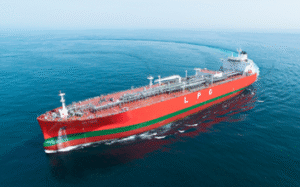
LPG, a mixture of propane and butane, has evolved from a household fuel into a key global export commodity.
Increasing use in transportation and small industries continues to drive demand growth.
By 2030, global output is expected to surpass 450 million tons per year.
Export revenues for producers such as Iran, the United States, and the UAE are projected to rise.
Forecast price range: USD 400–600 per ton, depending on crude oil prices and seasonal demand.
4. Regional Analysis
Asia-Pacific: Largest consumer and importer, dominated by China and India.
Middle East: Main production and export hub due to abundant gas reserves.
Europe: Declining domestic production and rising import dependency under environmental constraints.
North America: Expanding LPG and methanol exports to Asian markets.
5. Challenges and Opportunities
Challenges
Global carbon reduction policies (EU CBAM, Net-Zero initiatives)
Natural gas price volatility
Trade restrictions and logistical bottlenecks
Opportunities
Development of green projects (Green Ammonia, Blue Methanol)
Expansion into African and South Asian markets
Adoption of digital technologies in market analytics and supply chain management
Gas-rich nations such as Iran have the potential to strengthen their global market share through investments in export logistics, storage infrastructure, and digital trade systems.
6. Conclusion
The five-year outlook shows a petrochemical market transition toward higher efficiency, sustainability, and gas-based production economics.
Gas-rich nations such as Iran have the potential to strengthen their global market share through investments in export logistics, storage infrastructure, and digital trade systems.
Ultimately, success in the next decade will belong to producers capable of balancing environmental sustainability, economic efficiency, and technological innovation.
Suggested References
IHS Markit Petrochemical Outlook (2024–2030)
ICIS Chemical Market Reports
World Bank Commodity Markets Review (2025)
OECD Energy and Petrochemical Forecasts
OPEC Annual Statistical Bulletin (2024)